|
Welcome to August!
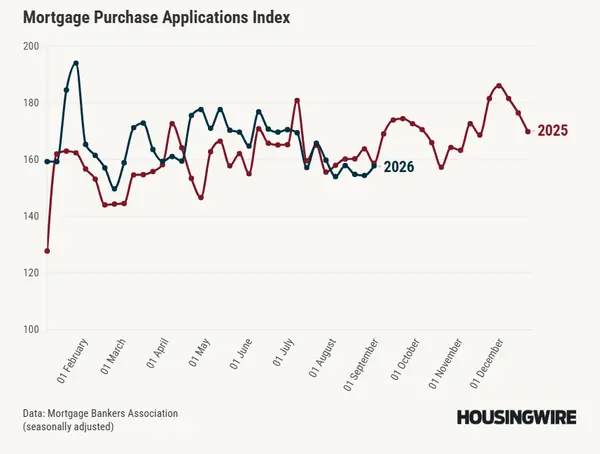
Over the past few weeks, we’ve talked about the typical seasonal slowdown that usually kicks off in July. Well, it’s officially here—and recent moves by the Federal Reserve are adding another layer to the story.
Last week’s Fed meeting didn't offer much relief for buyers or sellers. Bond yields spiked sharply following the meeting, driven by market uncertainty around how new Fed Chair Kevin Warsh will navigate policy.
Because bond market shifts directly impact long-term borrowing costs, we saw national average 30-year mortgage rates rise to around 6.75% this week.
Here is what you need to know about where things stand:
- Why Rates Aren't Higher: If lender profit margins (mortgage spreads) hadn't improved slightly, baseline rates could have easily pushed past 8%.
- The Buyer Impact: Higher borrowing costs naturally cool buyer demand, which will likely keep home sales growth flat for the remainder of the year.
- The Inventory Picture: Despite the slowdown, we aren't seeing any significant surge in local housing inventory.
- The Opportunity for Sellers: Because inventory remains constrained, home values are holding near their upper limits. Depending on your situation and current equity, it remains a solid environment to sell.
A Curious Trend in the Bond Market
To leave you with something interesting to ponder: the 30-year Treasury yield recently spiked above 5.2%—its highest level since 2007. The bond market is clearly signaling caution. On the flip side, for anyone who is conservative with their money, locked-in government bonds yielding over 5% annually for 30 years risk-free is an eye-opening option.
My real estate radar is definitely on high alert. If you’re curious about how these broader financial shifts impact your specific home value or plans in Sacramento, feel free to reply directly—I’m always here to help.
|